Why drywall patches can show through paint
Understand why a repaired wall can look uneven after painting and what to ask about preparation, primer, texture, and repainting scope.
An uneven-looking patch is not always a color problem.
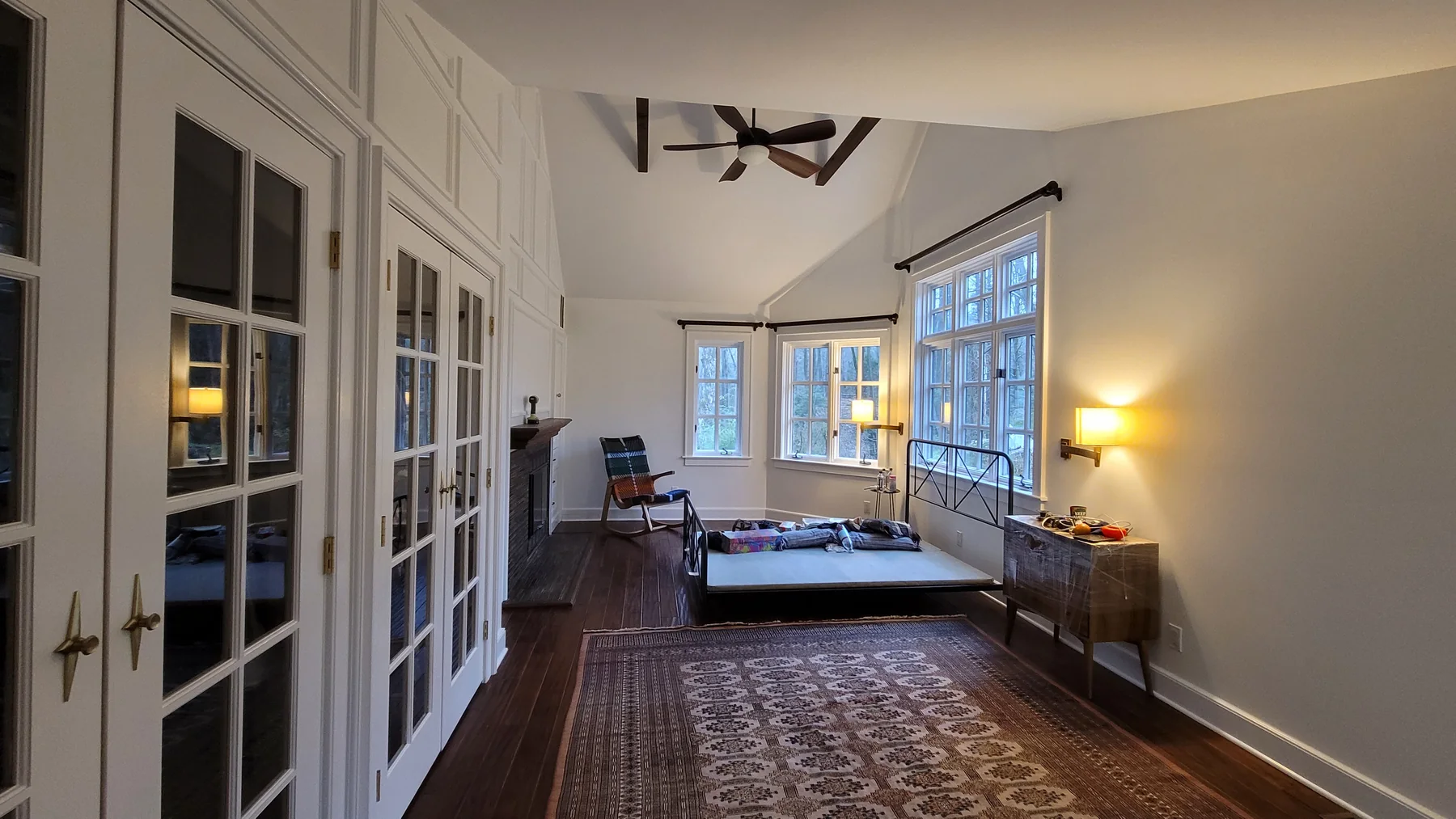
A repaired spot can stand out because of its shape, texture, porosity, or finish appearance. Repainting with the same color does not automatically make those differences disappear. Before adding more paint, identify whether you are seeing an edge, a texture change, a sheen difference, or a stain.
Look at the area in the room's normal lighting and from more than one angle. Share both a close photo and a wider view during the estimate conversation. A picture helps explain the concern, but it cannot confirm the condition behind a damaged surface.
Preparation and priming have different jobs.
A repair needs an appropriate surface profile as well as a suitable base for paint. USG explains that differences in porosity and texture between gypsum board face paper and joint compound can affect the appearance of a painted finish. Its drywall primer guidance addresses those differences.
Ask what finishing and priming approach is proposed for the actual repair. Do not assume that a general 'paint and primer' description means all repair preparation can be skipped. The products and sequence need to suit the surface.
Separate the repair area from the repainting area.
The physical patch may be small while the sensible repainting boundary is larger. Ask whether the proposal includes only the spot, the whole wall, or the ceiling plane. Get that boundary written down so the expected result and the price describe the same scope.
Existing paint condition, texture, lighting, and the intended finish should be discussed before promising an invisible touch-up. A small repair should not come with an automatic guarantee that it will blend under every light. A clear finish expectation is more useful than that promise.
Resolve recurring damage first.
If the area is stained, damp, soft, sagging, or repeatedly cracking, have the cause evaluated before treating it as a cosmetic patch. Keep away from visibly unstable material and arrange appropriate professional assessment. Closing a surface is not the same as correcting what damaged it.
In homes built before 1978, older painted surfaces may contain lead. EPA recommends a lead-safe certified contractor for renovation work in these homes. Ask about the appropriate assessment and work practices before disturbance; this guide is not an instruction to sand or open an unknown surface.
Bring these questions to the estimate.
For drywall or plaster repairs with Binders, describe the damage and whether its cause has been addressed.
- Is this drywall, plaster, or another surface?
- Is the repair only cosmetic, or does something else need investigation?
- What texture and finish should the repaired area match?
- Which primer and coating approach is proposed?
- Where will repainting stop, and how will the finished work be reviewed?
Join the conversation
Questions or experiences related to this article are welcome. Comments are reviewed before appearing here.
Loading comments…