
Damaged exterior trim: what to check before painting
Plan exterior trim repairs before repainting. Learn what to document, how to discuss moisture concerns, and what a repair scope should include.
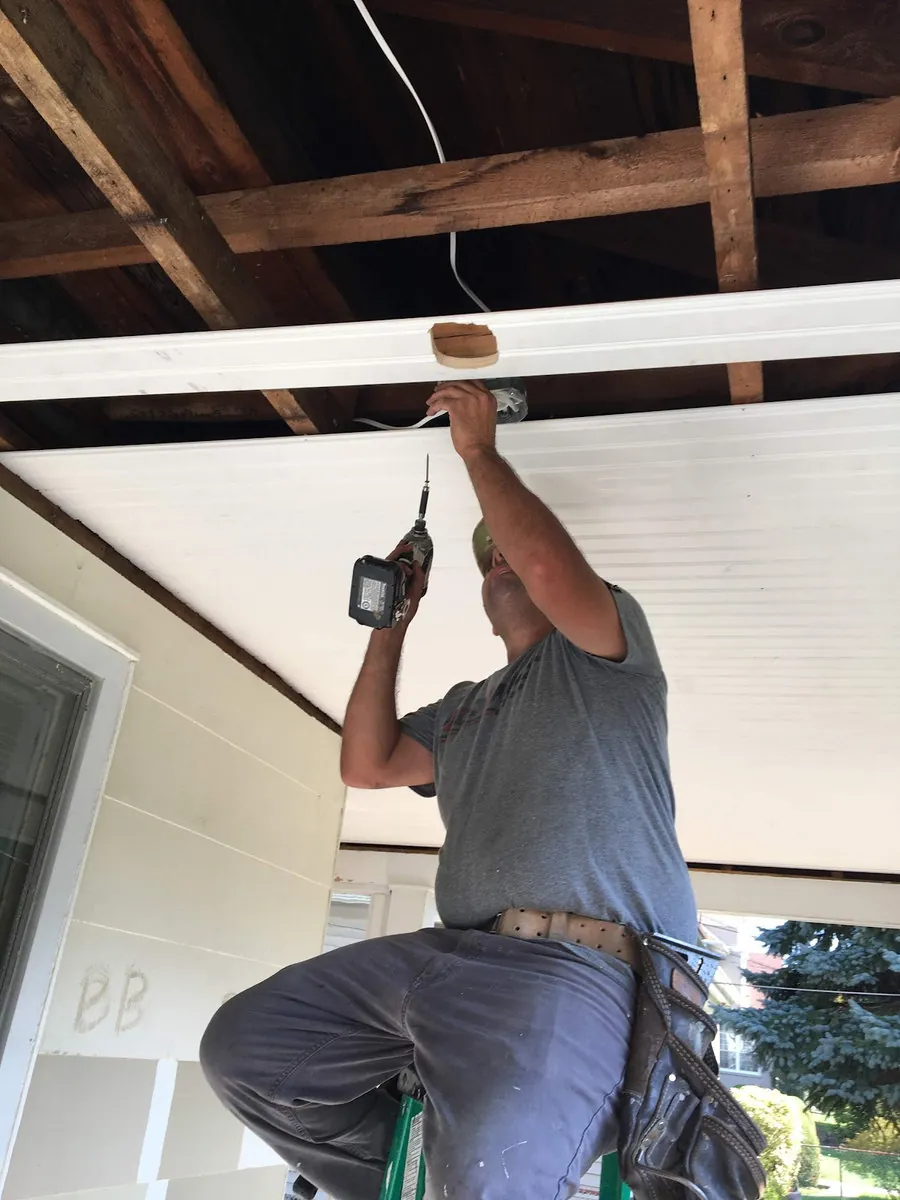
Paint should follow the repair decision.
Peeling paint, open joints, discolored trim, and visibly damaged wood deserve a closer look before a repainting scope is finalized. These signs do not prove a diagnosis from a photograph. They do give you specific areas to identify during an on-site review.
Describe where the problem is, whether it returns, and whether nearby work has already been done. Keep your inspection at a safe ground-level position. Do not climb, remove trim, or disturb deteriorated painted surfaces just to gather a better picture.
Ask why the area has been getting wet.
USDA Forest Products Laboratory guidance emphasizes identifying and correcting excessive wetting when addressing wood decay. A repair conversation should therefore include both the damaged material and the conditions around it.
Ask whether other parts of the property need assessment before finishing the trim. The person evaluating the repair should distinguish what is visible from what remains unknown. Replacing a piece of wood does not, by itself, demonstrate that the source of moisture has been resolved.
Define the repair boundary.
Discuss which pieces are to be repaired or replaced, how adjacent materials will be protected, and how new work should match the existing profile. Photos showing the whole opening or corner are helpful because a close-up alone may not show how the parts meet.
If hidden damage is possible, ask how it will be documented and presented before additional work proceeds. Set an approval process instead of accepting an open-ended instruction to do whatever is found. The estimate should distinguish an inspected repair from an allowance for something not yet visible.
Coordinate carpentry and painting.
Before approving the work, confirm the handoff between repairs and finishing:
- The pieces and materials included in the repair.
- Whether another qualified trade or assessment is needed.
- The preparation and coating system for the repaired surfaces.
- How finish color, sheen, and nearby paint boundaries will be handled.
- How unexpected conditions and price changes will be approved.
Keep older paint and structural concerns separate.
For pre-1978 homes, EPA advises using a lead-safe certified contractor for renovation work involving older painted surfaces. Confirm the applicable precautions before those surfaces are disturbed. Do not assume that a general painting service description proves a particular certification.
If the concern involves a load-bearing component, a failing stair, or an unsafe railing, arrange the appropriate professional evaluation. Binders' published carpentry scope includes finish work and repairs; this guide does not expand that scope into engineering or structural diagnosis.
Bring a repair list to the visit.
List the affected windows, doors, porch details, or trim areas, and separate immediate concerns from appearance upgrades. For properties in Putnam or Westchester, include the town and access details when requesting a Binders estimate.
A useful proposal connects the repair, any necessary coordination, and the final finish. That is more informative than treating every damaged spot as something a fresh coat of paint can hide.
Join the conversation
Questions or experiences related to this article are welcome. Comments are reviewed before appearing here.
Loading comments…