
Kitchen remodeling: plan the sequence before demolition
Coordinate kitchen selections, deliveries, specialty trades, finishes, and temporary household needs before the renovation begins.
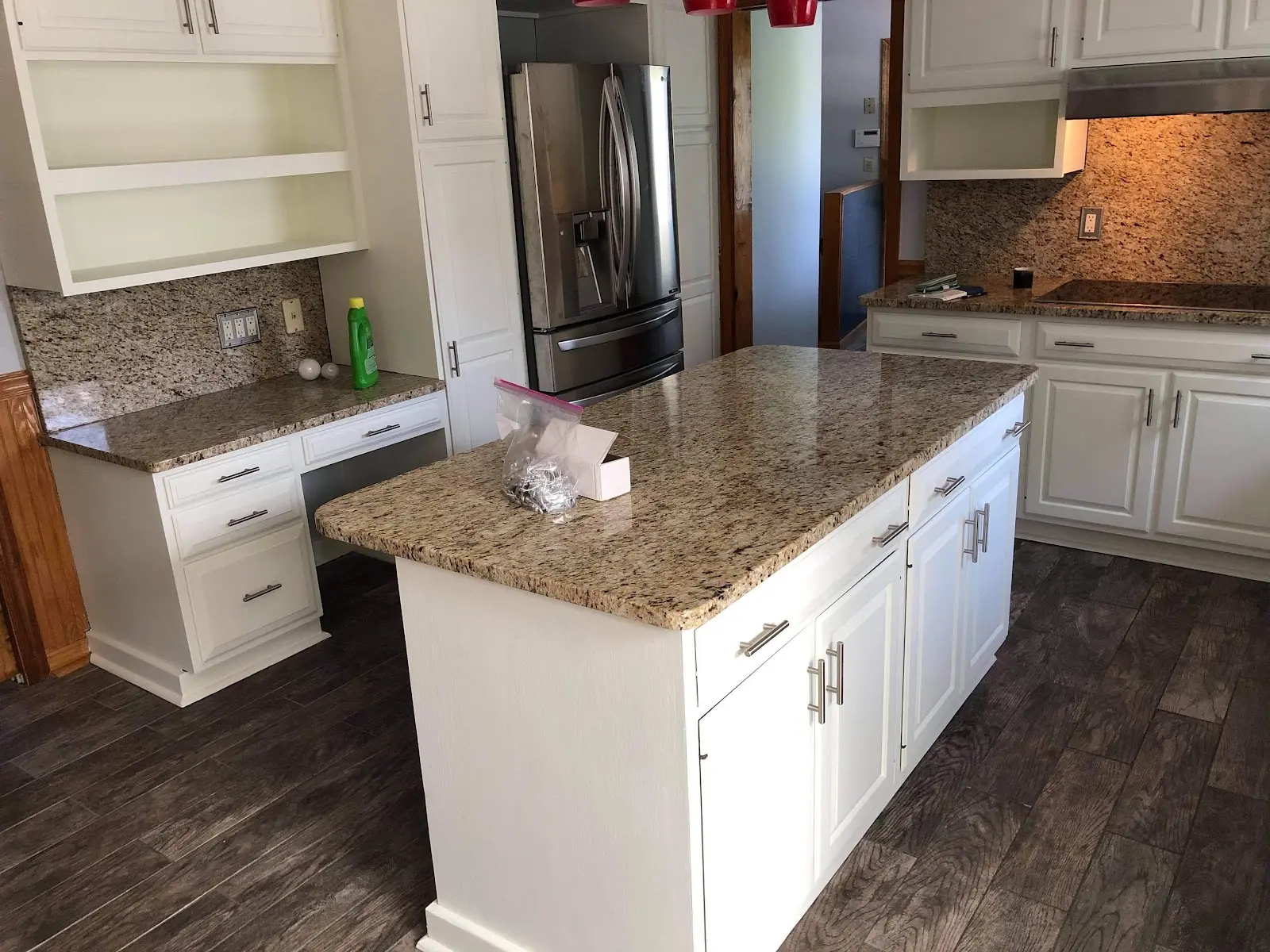
A schedule is a sequence of decisions.
A kitchen renovation schedule is more useful when it shows what depends on what. Layout decisions influence selections, selections influence ordering and coordination, and missing information can hold up later work. A start date alone does not tell you whether those decisions are ready.
Begin with a clear distinction between a finish update and a project that changes the room's layout or systems. Record what stays, what is replaced, and what moves. This prevents a cabinet or countertop conversation from quietly becoming a different project.
Use one selection record.
Keep the chosen cabinet layout, appliance models, sink, faucet, countertop, backsplash, flooring, and hardware in a shared record. Note dimensions, purchase responsibility, delivery status, and unresolved choices.
Ask the responsible professionals to confirm compatibility and installation requirements. A product being ordered does not mean every surrounding detail has been coordinated. Changes made after other work is measured or installed can affect both the schedule and the scope.
Review the major handoffs.
The exact order depends on the project, but your plan should explain how these handoffs will be coordinated:
- Scope, selections, site assessment, and any required approvals.
- Protection, access arrangements, and demolition readiness.
- Required specialty-trade work and inspection coordination.
- Cabinet, surface, flooring, and finish installation dependencies.
- Final connections, finishing details, cleanup, and walkthrough.
Do not use this checklist as a construction specification.
A kitchen may involve plumbing, electrical work, ventilation, or other conditions that need qualified review. Ask who is responsible for each part and which local approvals apply. Do not assume that all trades can work in any order or that a general timeline replaces product instructions.
Confirm the intended measurement and installation process with the countertop, cabinet, and appliance professionals involved. If a selection changes, have the affected parties review the change before it is treated as harmless.
Plan life without the normal kitchen.
Discuss which appliances and utilities will be unavailable and when. Decide how you will handle meals, dishes, food storage, pets, and access around the work area. Ask about dust protection and how the work zone will be separated from occupied rooms.
Keep the household plan flexible enough for a delivery problem or an unexpected condition. A contingency is not a reason to accept an undefined project; it is a reason to agree on who communicates changes and when decisions must be made.
Finish with a documented walkthrough.
Before the project begins, agree on how completion and remaining details will be reviewed. Keep product information, care instructions, and a written list of outstanding items in one place. This makes the handoff clearer than relying on memory.
Binders' kitchen remodeling service includes finish work and specialty-trade coordination where required. Bring your priorities and selection record to the estimate so the proposed scope reflects the actual room, not a generic number of weeks.
Join the conversation
Questions or experiences related to this article are welcome. Comments are reviewed before appearing here.
Loading comments…